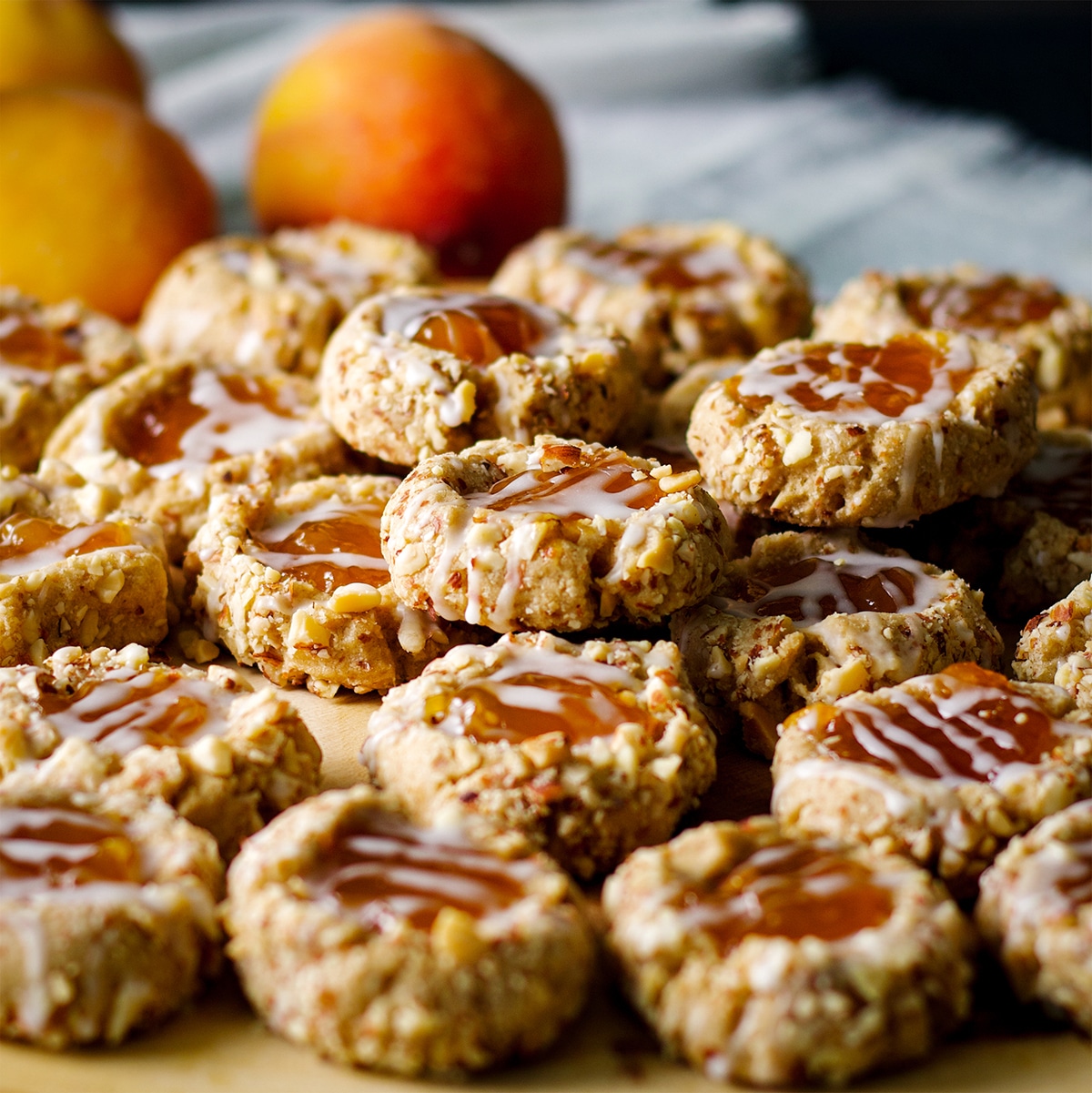
Imagine a cookie so delicate, so buttery, that it simply melts away on your tongue, leaving behind a subtle sweetness and a hint of fruity jam. That's the magic of a perfectly crafted almond shortbread thumbprint cookie. These unassuming treats have captivated hearts and taste buds for generations, becoming a steadfast favorite at family gatherings, coffee breaks, and festive occasions. While their elegant simplicity might suggest an easy bake, there's a nuanced art to achieving that coveted melt-in-your-mouth texture and rich, balanced flavor profile. This article will reveal the secrets behind creating almond shortbread thumbprint cookies that garner rave reviews every single time.
Unlocking the Melt-in-Your-Mouth Magic: The Shortbread Foundation
The very essence of a truly unforgettable thumbprint cookie lies in its foundation: the shortbread. Unlike many other cookie doughs, shortbread is characterized by its high butter content and minimal, if any, leavening agents. This unique composition is precisely what contributes to its signature texture. When baked correctly, shortbread doesn't spread excessively or puff up; instead, it develops a crisp, yet crumbly and tender bite that is incredibly satisfying.
The secret to its melt-in-your-mouth quality is rooted in the butter. High-quality butter, often unsalted to allow for precise seasoning, is creamed with sugar until light and fluffy. This process incorporates air, which contributes to the cookie's delicate structure. Flour is then gently folded in, ensuring not to overmix, as excessive gluten development can lead to a tough cookie. The goal is a tender crumb that dissolves beautifully on the palate, rather than a chewy or hard one. It's this careful balance of fat, sugar, and flour that forms the backbone of our beloved almond shortbread thumbprint cookies, making them a consistent hit for any occasion.
The Distinctive Allure of Almond: Flavoring Your Thumbprints
While classic shortbread is divine on its own, the addition of almond elevates these thumbprints to another level. The reference context highlights how almond extract imparts a "hint of almond flavor" and a "nice layer of nuttiness." This is precisely where the cookie gains its unique character and complexity. Almond extract, a concentrated flavoring, provides that distinctive marzipan-like aroma and taste without the need for actual nuts, making it a powerful ingredient for a sophisticated flavor profile.
The beauty of almond in these cookies is its ability to complement rather than overpower. It harmonizes with the rich, buttery flavor of the shortbread, adding depth without taking center stage. Furthermore, when paired with a fruity jam, the almond note acts as a bridge, tying the buttery base and the sweet-tart filling together beautifully. For those who wish to intensify the almond experience, a portion of the all-purpose flour can be substituted with finely ground blanched almond flour. This not only enhances the nutty flavor but can also contribute to an even more tender crumb, thanks to the fat content in the almond flour. A touch of almond extract in the glaze can also reinforce this delightful flavor, ensuring every bite is infused with that subtle, enchanting nuttiness.
Mastering the Craft: Essential Steps for Perfect Almond Shortbread Thumbprint Cookies
Achieving the perfect almond shortbread thumbprint cookies isn't just about the ingredients; it's about mastering a few critical techniques that safeguard their delicate structure and texture. These are the details that separate a good cookie from an extraordinary one.
The Non-Negotiable Chill: Why Cold Dough Matters
One of the most crucial steps, often tempting to skip when time is short, is chilling the dough. As the reference context rightly emphasizes, a solid hour in the refrigerator is essential. But why is this so important? The science behind it is simple and impactful:
- Maintains Structure: Shortbread dough is rich in butter. At room temperature, butter is soft and pliable. When heated, soft butter melts quickly, causing the cookies to spread excessively in the oven, losing their defined shape and delicate texture. Chilling solidifies the butter, making the dough firmer and more stable.
- Prevents Over-Spreading: With solid butter, the cookies hold their shape better during baking. The butter gradually melts, creating steam that contributes to the cookie's characteristic flakiness and tender crumb, rather than simply pooling out.
- Enhances Flavor: Chilling also allows the flour to fully hydrate and the flavors to meld, resulting in a more cohesive and flavorful cookie.
Skipping this step almost guarantees a flatter, harder cookie. So, even if you're in a hurry, resist the urge! Patience here pays off immensely in the final product. For more in-depth advice on perfecting your baking technique, including troubleshooting common issues, you might find valuable insights in our article on Mastering Almond Thumbprint Cookies: Essential Baking Tips.
Precision in the Indentation and Jam Application
Creating the "thumbprint" itself is another point of precision. While the name suggests using your thumb, some bakers prefer the rounded back of a teaspoon or a small measuring spoon for a more uniform indentation. The goal is to create a well deep enough to hold the jam without cracking the cookie's edges excessively.
When it comes to filling, the wisdom of "less is more" from the reference context is invaluable. A quarter teaspoon of jam is typically the sweet spot. Overfilling can lead to several issues:
- The jam may bubble over during baking, creating a sticky, caramelized mess that adheres to the baking sheet.
- Too much moisture from the jam can compromise the delicate structure of the shortbread, making it soggy or causing it to crumble prematurely.
- It can also throw off the crucial "jam to cookie ratios" – a surprisingly important factor in the overall enjoyment of the cookie, ensuring a perfect balance of flavors and textures in every bite.
As for jam selection, the possibilities are endless and personal. While homemade peach jam is a family favorite for some, any high-quality sweet preserve will work beautifully. Consider the interplay of flavors: tart raspberry for a vibrant contrast, sweet apricot for a mellow complement, or a mixed berry for a complex fruitiness. Even lemon curd can offer a delightful, tangy surprise. The key is to choose a jam you genuinely enjoy, as its flavor will be prominent in the finished cookie.
The Art of Not Overbaking: A Golden Rule
Perhaps the most critical "secret" to that coveted melt-in-your-mouth texture is knowing when to take these cookies out of the oven. This is where many aspiring bakers falter. The reference context explicitly states: "You want to take these cookies out of the oven before they are even slightly brown." This cannot be overstated. Unlike some cookies that benefit from golden-brown edges, shortbread relies on minimal color development to maintain its delicate, crumbly texture.
Perfectly baked almond shortbread thumbprint cookies should look pale, almost uncooked, when you pull them from the oven. Their edges might appear barely set, and the centers still quite soft. They will firm up considerably as they cool on the baking sheet and then on a wire rack. Overbaking, even for a minute or two, will result in a harder, drier cookie that lacks the desired tender crumb and delicate mouthfeel. Keep a close eye on them, and trust your instincts – when they look just set but still pale, they are done.
Elevating Your Almond Shortbread Thumbprints: Finishing Touches and Serving Suggestions
Once baked to perfection, a simple glaze can add a final touch of elegance and an extra layer of sweetness to your almond shortbread thumbprint cookies. A basic glaze made from powdered sugar, a touch of milk or water, and a hint of almond extract creates a beautiful sheen and further enhances the almond flavor. A light drizzle over the cooled cookies transforms them into jeweled masterpieces, ready to impress.
These versatile cookies are perfect for almost any occasion. They're a delightful snack tucked into a lunchbox, an elegant offering for a tea party, or a comforting dessert after a meal. As the reference suggests, they pair wonderfully with warm beverages like a robust cafe con leche, a spicy chai, or a fragrant London Fog on a chilly afternoon. Their balanced sweetness and delicate texture make them suitable for sophisticated palettes and enthusiastic children alike. Garnish with a sprinkle of toasted slivered almonds or a dash of fresh lemon zest for an added flourish, making them as visually appealing as they are delicious.
The journey to creating truly melt-in-your-mouth almond shortbread thumbprint cookies is one of care, precision, and understanding the nuances of shortbread baking. From the foundational role of cold butter and the critical chilling period to the careful application of jam and the golden rule of not overbaking, each step contributes to the exquisite final product. These cookies are more than just a treat; they're an experience – a testament to the timeless appeal of simple, well-executed baking. We encourage you to try your hand at this rewarding recipe and discover the pure delight of these cherished cookies. For a detailed step-by-step guide and precise measurements, check out our comprehensive Bake Perfect Almond Shortbread Thumbprints: Jam & Glaze Recipe.
